

One of the greatest challenges facing many businesses is attracting and keeping the best people. I would suggest that almost a bigger challenge is selecting the “wrong” candidate… so how often do we choose in haste, only to regret later?
When we get it wrong the consequences aren’t just in terms of time – recruitment costs, the lost costs of training and introducing a new team member – they are also about the damage the wrong decision can do to your business. So how can we narrow the odds?
Reduce the risk
In my years leading teams large and small I’ve spent many, many hours sitting in front of prospects and trying to figure out if they are “the one” or are they just good actors and talk a god story? Over those years, I’ve come up with a few things to concentrate on and want to share them with you:
- Do be inquisitive about their motives – don’t take them at face value – dig into why they are here.
- How much have they found out about your business before the interview? It’s not too difficult in this internet age! It’s always good to get feedback, so ask them what their first impressions were. If they are keen they will have done the research – wouldn’t you?!
- Look beyond their CV – in fact why not start by asking about what are their real drivers and passions before delving into their experience. A well written CV is important, but only tells you what they decide to include.
- What do they like doing – what do they avoid? Find out where their comfort zone is – and what does it take to put them outside it!
- Find out about the views of others – how would their current boss and colleagues describe them? Ask them what others would say were their strengths… and weaknesses.
- Ask them what they are most proud of in their career and why. Explore what was the biggest mistake they’ve ever made and what have they learned from it?
- Ask how they deal with conflict, how has it cropped up and what were the outcomes. It’s always good to hear real examples.
- If this is an important position that you are recruiting for, don’t just rely on one meeting. Get a colleague to meet them – if possible in a different environment to see how they respond.
- Respect their needs in the interview. It’s a civilised two-way process – you don’t need to model your style on Alan Sugar or any of his Rottweilers! You have as much interest in giving them a good impression of you and your business as they have in doing to you. Do give them time to have all their questions aired and answered honestly.
- Finally, go with your intuition – I’ve heard it called the “flight test”. How would you feel about a long haul flight sitting next to them? If it doesn’t feel right, it probably isn’t!
Understanding the candidate
Even with an approach like this, they may be good actors, may hide the truth or may simply excel in interview situations – so wouldn’t it be great if you could get inside their heads and understand a bit more about their preferences, their priorities and how they react under pressure?
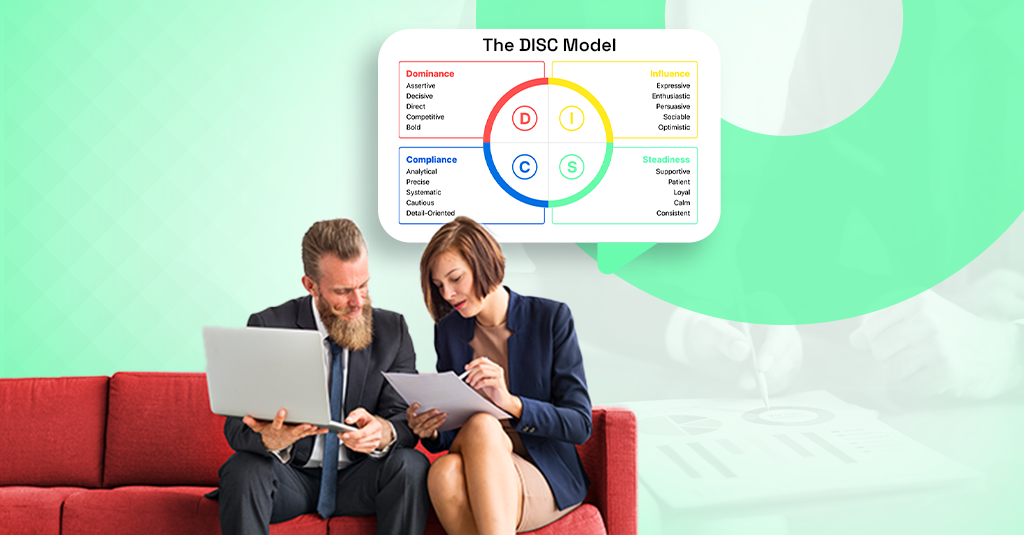
Well you can – check out DISC Flow® behavioural assessments and see how they can be used effectively to significantly reduce the recruitment lottery.
DISC assessment profiles help effective recruitment and reduce the odds of poor selection. Many FTSE and Fortune 500 companies use them extensively. Offering insights into the candidate in such areas as:
- Having the right level of drive to deliver the results needed in the role
- Effectiveness in managing conflict amongst their team
- How they behave under pressure
- Their level of attention to detail and quality
- How they are likely to get on with other team members
If you’d like to learn more about how DISC products can help your recruitment, call us on 0203 195 2898 or email sales@thediscgroup.co.uk now.