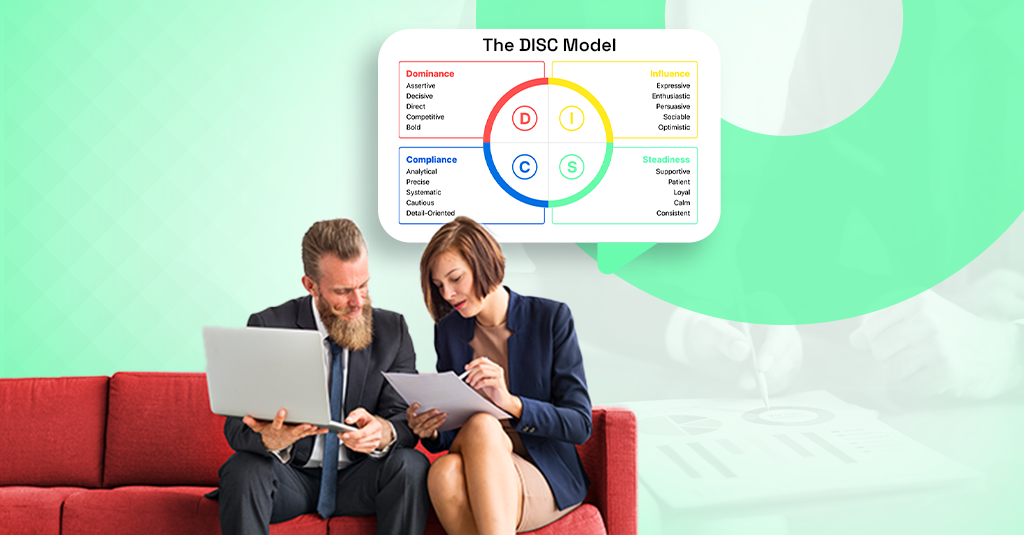

 This week’s DISC behavioural style tip from The DISC Group is all about the goals and fears of people with the S Style – the Steadiness style. Get the best from your meetings and conversations by understanding your colleagues’ behavioural preferences and priorities.
Goals of the S Style
The Steadiness Style, as sung by Aretha Franklin in her hit record, may privately want a little “R-E-S-P-E-C-T”, as demonstrated by your sincere personal attention and acceptance of them. Steadiness and follow-through actions characterise these people. They prefer a slower and easier pace: “It’s not whether you win or lose. it’s the friendship that counts.” They focus on building trust and getting acquainted because they aim for long-standing personal relationships. Pushy, aggressive behaviour secretly irritates them.
The Steadiness Styles strive for security. Their goal is to maintain the stability they prefer in a more constant environment. To them, while the unknown may be an intriguing concept, they prefer to stick with what they already know and have experienced. “Risk” is an ugly word to the Steadiness Style. They favour more measured actions, like keeping things as they have been and are, even if the present situation happens to be unpleasant.
Fears of the S Style
Related to their goal of keeping things very similar is their accompanying fear of change and disorganisation. Consequently, any disruption in their routine patterns can cause distress in the Steadiness Style. Fearing sudden changes, they are naturally concerned with what may happen. A general worry is that the unknown may be even more unpleasant than the present. They need to think and plan for changes. Finding the elements of sameness within those changes – as well as a clear understanding of the reasons for the change – can help minimise their stress by identifying the specific assurances required to cope with such demands.
Call us on 0203 195 2898 or email sales@thediscgroup.co.uk to learn more about how you can use DISC to make your business and work relationships more effective.