

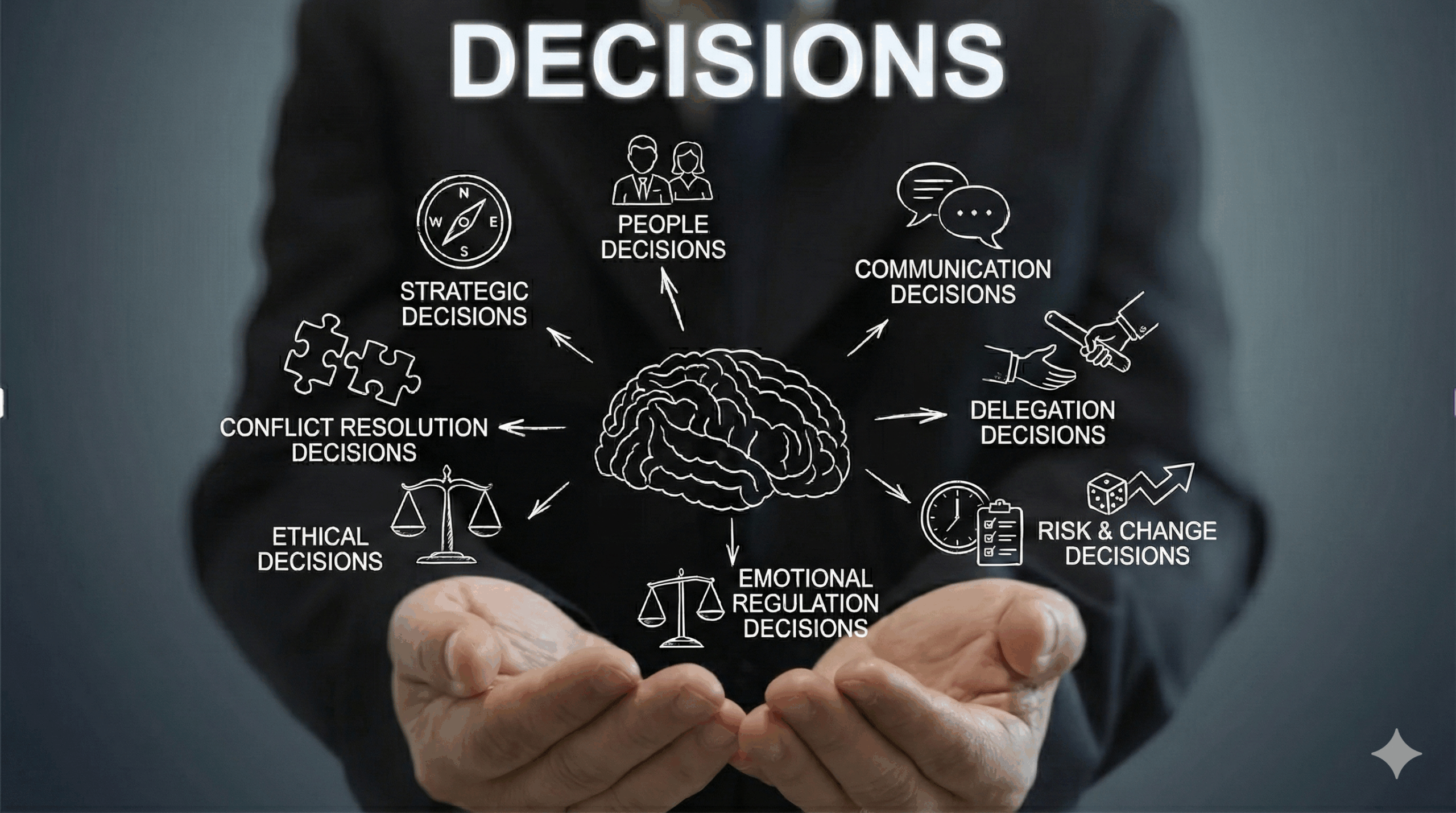
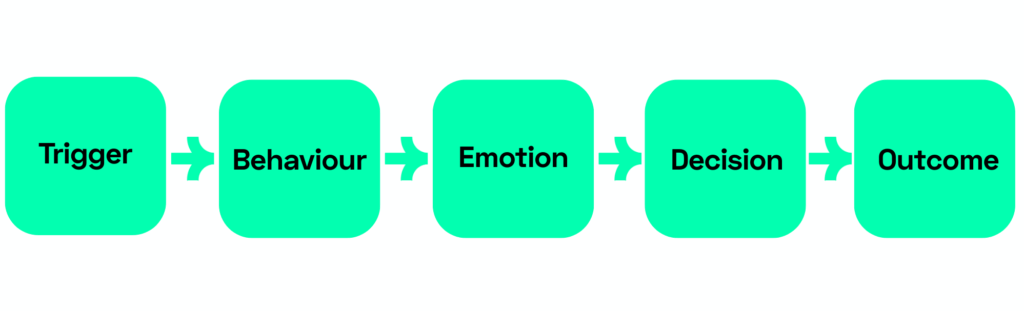
Great decisions rarely come from logic alone. In workplaces, our behavioural tendencies, emotional triggers, and instinctive reactions quietly shape every choice we make. Leaders often assume decisions fail because of poor information or unclear strategy. But more often, they fail because the person making the decision isn’t aware of their own behaviour or emotional state. Understanding both behaviour and emotion is the missing link in making better, more consistent decisions.
Behaviour + Emotion: The Hidden Drivers of Every Decision
Every day we make decisions influenced by:
- How we communicate
- How we respond under pressure
- What motivates us
- What frustrates us
- How comfortable we are with speed, risk, or uncertainty
Behaviour (our natural tendencies) and emotion (our internal responses) work together, and when they’re misaligned, decisions become rushed, cautious, avoidant, or emotionally reactive. When they work in harmony, decisions become clearer, fairer, and more effective.
Examples of How Behaviour Shapes Decision-Making
People approach decisions differently based on their behavioural style. While everyone is a blend, certain tendencies naturally shape how we make decisions, how quickly we act, what matters most to us, and how we respond under pressure.
In DISC, this becomes especially clear when we look at two key behaviours:
Fast-paced vs moderate-paced, and whether someone is more people-oriented or task-oriented. These tendencies influence how we make sense of information and how we move toward a decision.
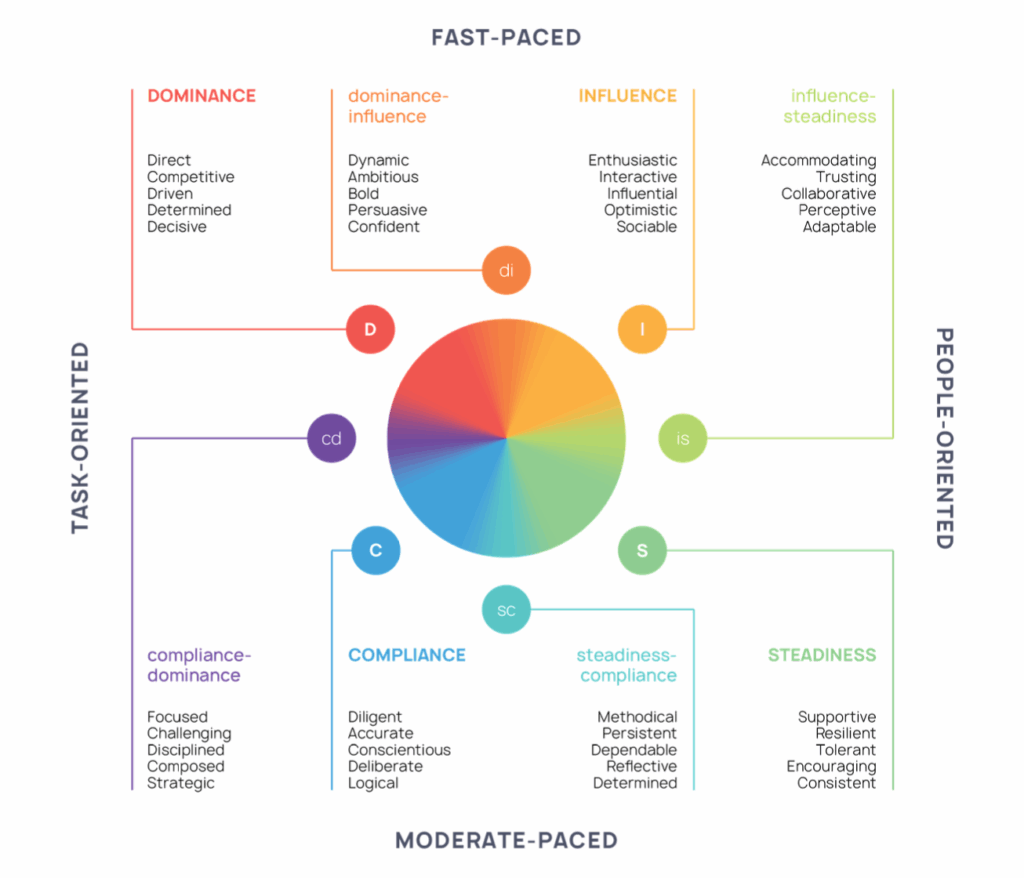
Here’s how each style typically shows up in real leadership decisions:
1. Fast-Paced Decision-Makers (D & I Styles)
Fast-paced leaders move quickly and prefer action over prolonged analysis.
They’re comfortable making decisions with limited information and keeping momentum high.
Where D-style leaders fit:
They make quick, results-driven decisions and push forward confidently.
- Great in crises or when a bold move is required
- Can cut through noise and act decisively
- Risk: may overlook details or move too fast for others
Where I-style leaders fit:
They make decisions based on intuition, enthusiasm, and people engagement.
- Great when creativity or buy-in is needed
- Consider how the decision feels and how people will react
- Risk: may be inconsistent or overly optimistic
2. Moderate-Paced Decision-Makers (S & C Styles)
Moderate-paced individuals prefer stability, clarity, and thoughtful evaluation before deciding.
They value accuracy, predictability, and ensuring people are comfortable with the approach.
Where S-style leaders fit:
They make steady, relationship-conscious decisions.
- Great when collaboration and team harmony matter
- Ensure everyone is heard and the impact on people is considered
- Risk: may avoid conflict or delay decisions that feel disruptive
Where C-style leaders fit:
They make detail-driven, analytical decisions based on logic and data.
-
Great when precision, quality, or risk assessment is critical
-
Examine facts thoroughly and anticipate long-term implications
-
Risk: may overanalyse or struggle to decide quickly
3. People-Oriented Decision-Makers (I & S Styles)
These leaders consider how decisions will affect relationships, morale, and team dynamics. They naturally prioritise communication, alignment, and inclusion.
-
I-style: People impact and innovation
-
S-style: People impact and stability
Their strength is creating decisions people can support, but they may struggle when a decision is necessary but unpopular.
4. Task-Oriented Decision-Makers (D & C Styles)
These leaders prioritise outcomes, accuracy, clarity, and efficiency. They focus on what must be achieved rather than how people will feel about the decision.
-
D-style: Task outcome and speed
-
C-style: Task outcome and precision
Their strength is objectivity and performance, but they may come across as blunt or overly rigid.
How Emotion Shapes Decision-Making
Behaviour explains how we act; emotion explains why we react the way we do.
Emotional intelligence plays a central role in shaping decisions:
- Self-awareness – Knowing your triggers, biases, and blind spots leads to clearer judgment.
- Self-regulation- Staying composed under pressure prevents reactive or emotional decisions.
- Empathy – Understanding others’ perspectives improves decisions that affect people.
- Social awareness – Reading emotional cues helps prevent conflict and misunderstanding.
- Motivation – Intrinsic motivation helps us make decisions aligned with long-term goals.
Leaders with strong emotional intelligence manage challenges with calm, clarity, and curiosity, rather than stress or defensiveness.
Why You Need Behaviour and Emotion Together
Behaviour shows your default approach. Emotion shows your ability to adapt that approach.
For example:
- A fast-paced person with low emotional intelligence may push through decisions too quickly.
- With strong emotional intelligence, that same person becomes decisive and
- A cautious, analytical person may delay decisions.
- With strong emotional intelligence, they know when “good enough” is good enough and move forward with confidence.
Behaviour without emotion leads to blind spots. Emotion without behaviour leads to inconsistency. Together, they create balanced, effective decision-making.
Real-World Decision-Making Scenarios
In leadership
Behaviour determines whether you drive decisions or seek consensus. Emotion determines whether you stay calm under stress and lead with clarity.
In communication
Behaviour shapes your tone and pace. Emotion shapes how sensitive or reactive you are to others.
In conflict
Behaviour influences whether you confront or avoid the issue. Emotion influences whether you escalate or resolve it constructively.
In hiring and talent decisions
Behaviour shapes what you look for in others. Emotion shapes fairness, empathy, and objectivity.
Practical Tips for Leaders
Here are simple, powerful habits that elevate decision-making:
- Understand your own style – notice how your natural pace and orientation shape your decisions.
- Recognise others’ styles – and the emotional responses that influence how they respond.
- Adapt your approach – including your pace, tone, communication, and emotional reactions.
- Notice your triggers – identify moments when emotion overrides logic.
- Pause before reacting – give your emotional brain time to settle so your decisions stay balanced.
Ask yourself: “Is this decision emotional, behavioural, or balanced?” These small shifts build long-term decision-making strength.
Better Decisions Start with Understanding Yourself
The strongest leaders aren’t the ones who make decisions the fastest; they’re the ones who understand why they make decisions the way they do.
When you understand your behaviour, and you manage your emotions well, your decision-making becomes clearer, calmer, and far more effective. Better decisions start with better self-awareness, and that’s something every leader can develop.